
Homeowners in Spring Hill have a wide range of choices when deciding how to protect and beautify their properties, especially when it comes to siding. Two popular contenders, fiber cement and engineered wood siding, have continued gaining traction in residential neighborhoods due to their distinct features, aesthetics, and performance in our region’s variable climate. Knowing the differences, warning signs of aging or failure, and deciding factors for each siding material can help you make informed decisions and set the stage for successful exterior renovations.
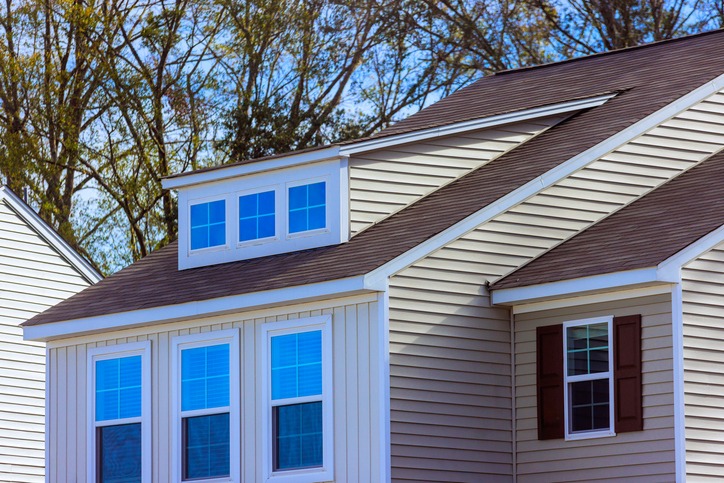
Understanding the Basics: Fiber Cement and Engineered Wood Siding
Fiber cement siding, often recognized by brand names like James Hardie, is crafted from a composite of cement, sand, and cellulose fibers. This blend results in a tough material that resists rot, pests, and fire. Engineered wood siding, on the other hand, combines natural wood fibers with resin binders and then compresses and treats it for enhanced durability and moisture resistance. Both provide the classic look of wood siding, but their composition and performance characteristics differ in important ways.
Durability and Climate Suitability
Spring Hill experiences significant seasonal shifts—hot, humid summers and cold, sometimes wet winters. Fiber cement shines under these conditions. It resists swelling, cracking, and warping even with rapid temperature changes. It is also impervious to termites and woodpeckers, which can pose issues for other siding types in our area. Engineered wood siding has also improved over the years, with modern treatments protecting against rot and fungal decay, but it may still be more susceptible to moisture infiltration if not properly installed and maintained.
Maintenance Needs and Lifespan
When planning a siding replacement or installation, maintenance is a major consideration. Fiber cement siding requires periodic painting, but it holds paint well and rarely needs repairs due to impact or moisture. Left unmaintained, however, fiber cement may develop minor surface cracks, especially if caulking and paint are neglected. Engineered wood siding usually comes pre-primed or finished, but it generally needs repainting or resealing every few years to maintain an effective barrier against Kansas humidity and rainfall. Homeowners should regularly inspect joints, edges, and fasteners for potential vulnerabilities.
Warning Signs: When to Consider New Siding
Recognizing early warning signs ensures that minor problems do not escalate into structural issues. For fiber cement siding, watch for:
-
Peeling or cracking paint
-
Gaps or missing caulking at seams
-
Soft spots or small surface cracks, particularly near the base
For engineered wood siding, look for:
-
Bubbling or blistering on the finish
-
Swelling or distortion near seams and edges
-
Visible mold, mildew, or dark discoloration, signaling retained moisture
Homeowners in Spring Hill should perform these checks seasonally, especially after storms and periods of high humidity.
Choosing the Right Siding: Key Decision Points
Picking between fiber cement and engineered wood siding often comes down to:
-
Desired aesthetic and texture—fiber cement can mimic wood or stone, while engineered wood closely replicates wood grain
-
Length of maintenance cycles—fiber cement typically offers longer protection between repaints
-
Upfront investment vs. long-term durability—fiber cement generally has a higher initial cost but an excellent long-term track record in the Midwest
-
Warranty and installation considerations—both materials perform best when installed by qualified, local siding installation professionals
Spring Hill homeowners also value local reputation and craftsmanship when selecting a siding specialist. Quality installation and careful finish work protect your investment and ensure both types perform as designed.
Planning Your Siding Upgrade in Spring Hill, KS
Ready to enhance your Spring Hill, KS home’s curb appeal and defense against the elements? At Canes Exteriors, our team specializes in tailored siding repair and exterior home improvement services. For expert guidance, call (913) 645-1007 or fill out our online form to schedule a personalized consultation and receive a detailed estimate. We’re committed to serving property owners throughout Spring Hill with solutions that are built to last and customized to your needs.